
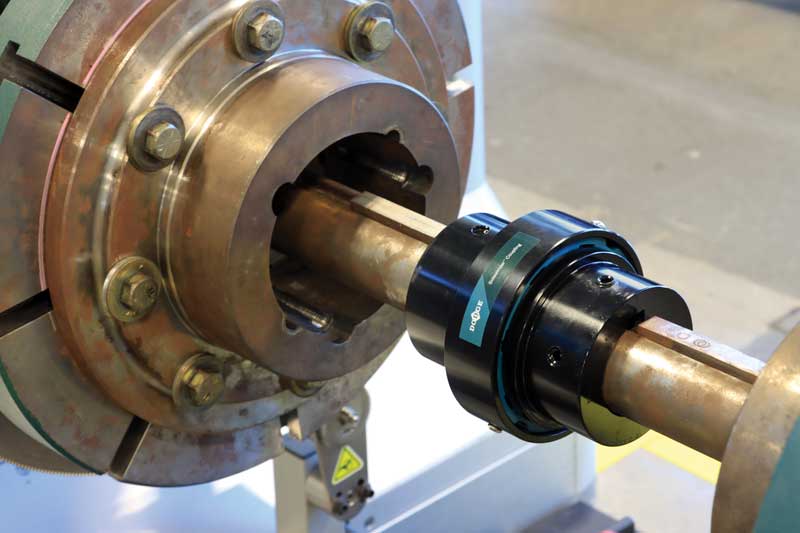
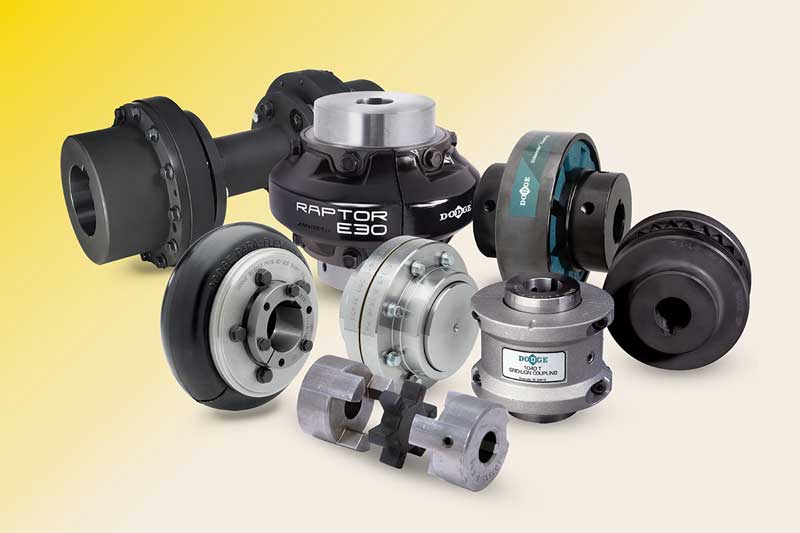
 Couplings play a critical role in any rotating equipment system. Their primary function is to connect and transmit torque between a motor and the component it is driving. They are found in countless applications ranging from mining, material handling, pumping and many more. Couplings also perform another crucial job of absorbing vibration and shock load, protecting upstream and downstream components such as bearings, gearboxes, seals, and shafts. When they start to fail, not only does torque transmission stop, but the protection they provide stops too. This leads to costly downtime and other associated headaches.
The good news is that this is avoidable. By taking the right steps in advance such as routine maintenance and inspection, failures can be prevented. In this post, we’ll dive deeper into how operations are affected by failing or failed couplings, signs of imminent failure, and how they can be avoided.
How a Failed or Failing Coupling Affects Operations
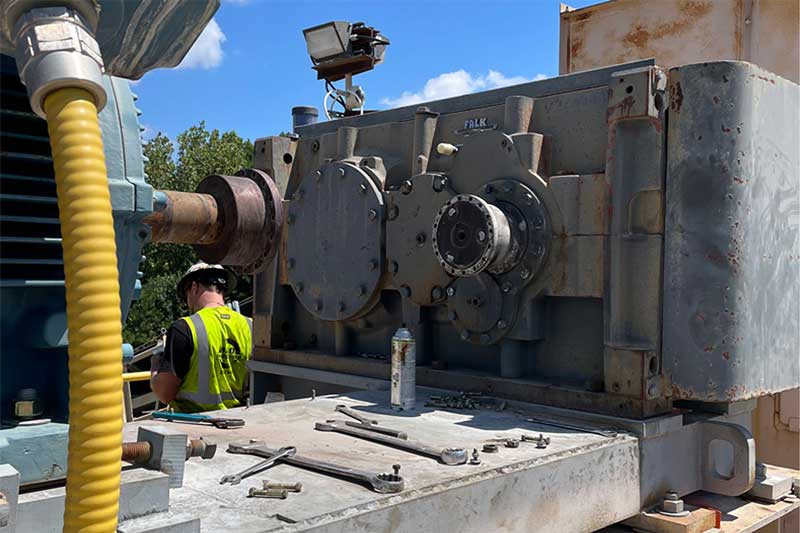
Typically, a coupling doesn’t fail spontaneously. It will degrade over time. But as it does, the vibration and shock loads it should be absorbing passes through and accelerates wear on adjacent bearings, seals, and shafts. This decreases system efficiency and can also lead to increased energy consumption. Worse yet, downstream components can start failing prematurely as well.
Complete and sudden failures happen as well. They can be more catastrophic as you don’t get to ramp down or isolate the equipment. It just stops, or in extreme cases, breaks apart mid-operation. As you can imagine, this also creates considerable safety risks.
The Warning Signs
While the type and extent of coupling failure can vary greatly, there are plenty of warning signs. Some are audible. These include clicking, knocking or grinding. Sometimes motors get louder under load or start making a loud thumping sound. Visual signs include wear, cracking on elastomeric components, and discoloration from heat. In some cases, grease leakage can be found around the housing. Loose or missing fasteners are also a tell-tale sign to watch out for.
Coupling Maintenance Punch List
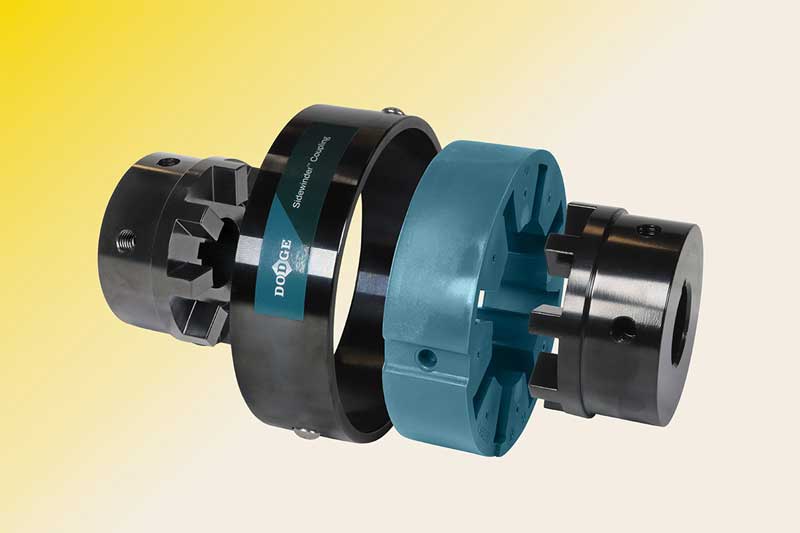
To help prevent coupling failure, we advise following a strict maintenance routine as follows:
- Regular Inspection – check for wear, cracking, looseness, discoloration, and other changes. Be sure to do this on a set schedule, not just during breakdowns.
- Check Alignment – one of the most common causes of premature coupling wear is shaft alignment. This can be done with laser shaft alignment, dial indicators, or by performing a straightedge/feeler gauge check. While that latter is the least accurate approach, it’s better than doing nothing.
- Grease and Lubricate – be sure to follow OEM recommendations for lubricated couplings. This should be performed by trained mechanics who understand proper lubrication techniques and precision maintenance practices.
- Monitor Vibration and Temperature – there are countless solutions out there to do this, but make sure you are tracking and trending the data so gradual changes are caught early.
- Tighten, Torque, and Replace Fasteners – do this on a regular basis
- Proactively Replace Wear Components – many parts have service life such as elastomeric inserts, sleeves, and other wear parts. Your goal is to replace them before they fail, even if they have some life left in them.
- Keep a Maintenance Log – this is an important tool that allows you to document observations/data and activities. Patterns over time will reveal much more than a single inspection.
 When to Call a Pro
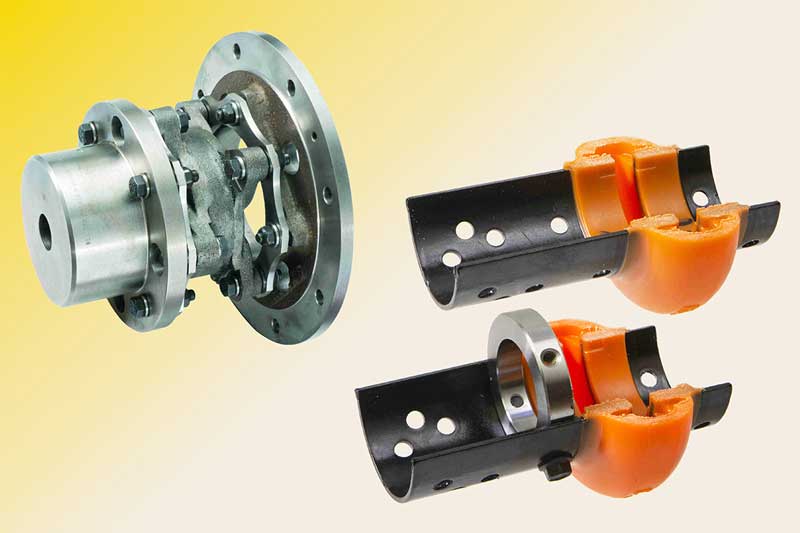
Some signs warrant a second opinion or more thorough inspection and hands-on diagnostics. These include:
- Recurring or worsening noises and vibration despite performing basic maintenance
- Visible cracking, deformation, or heat damage
- Unresolvable alignment issues
- Signs of actual failure such as sudden loss of drive, unusual smells, debris or a coupling that is obviously separated
Rotating equipment specialists typically have deeper knowledge and the right diagnostic tool for the job. They can perform extremely accurate alignment checks, vibration analysis, and root-cause failure analysis that typically go beyond in-house capabilities.
 Conclusion
Couplings are small components that have a big impact on rotating system performance, reliability and efficiency. Catching a coupling failure early is almost always going to be less expensive and much safer than dealing with a complete failure. Scheduled inspection, lubrication, maintenance and attention to the warning signs can be the difference between a routine maintenance task and a catastrophic shutdown.